Tracing Reward Progressions: How Spin Allocations Guide Access to Dealer Tables and Loyalty Tiers
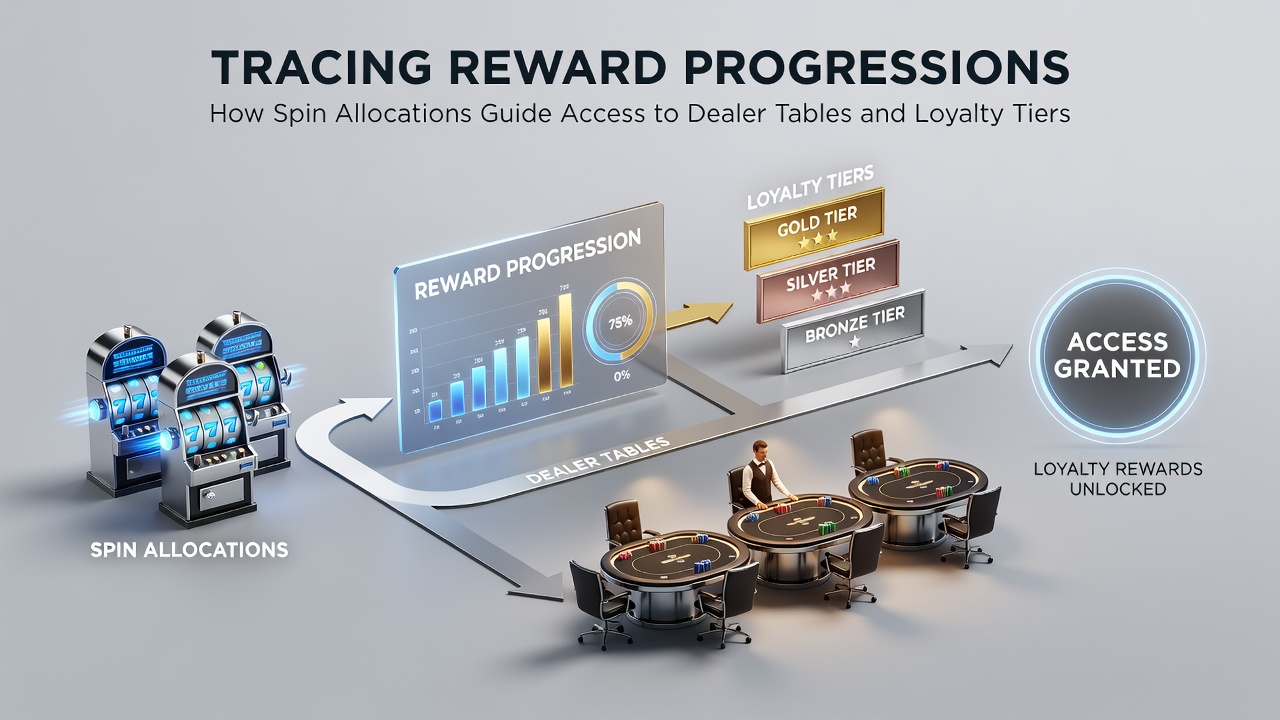
Spin allocations function as structured entry points within many online casino reward frameworks, directing player activity from slot-based incentives toward live dealer environments and elevated loyalty status. These systems operate through defined allocation rules where specific spin quantities or values accumulate to meet thresholds for table game entry and tier advancement. Observers note that allocation mechanics often tie directly to wager volumes, creating measurable pathways that operators track via integrated player accounts.
Core Allocation Mechanics in Slot Environments
Operators assign spins based on deposit patterns or promotional structures, with each allocation carrying a defined contribution rate toward overall progress. Data indicates that spins typically convert at rates between 20 and 50 percent when applied to table game requirements, depending on jurisdiction and platform configuration. This conversion process ensures that slot-focused activity feeds into broader reward ecosystems rather than remaining isolated. Researchers have documented consistent patterns where accumulated spins trigger notifications for dealer table eligibility once players reach set volumes.
Allocation tracking relies on real-time ledgers that update after every session, allowing seamless movement between game categories. In practice, a player completing 200 allocated spins might receive automatic credit toward live roulette or blackjack sessions, while additional accumulations unlock tiered benefits such as reduced house edges or priority seating. These mechanics maintain continuity across mobile and desktop interfaces, supporting uninterrupted progression regardless of device.
Progression Pathways to Loyalty Tiers
Loyalty tiers advance through cumulative metrics that incorporate spin allocations alongside total handle and session frequency. Platforms commonly structure tiers in ascending levels where entry to mid-tier status requires documented spin volumes plus live play participation. Evidence from operational reports shows that players advancing via combined slot and table activity reach higher tiers faster than those focused on single categories. Tier benefits include personalized spin allocations, exclusive dealer table access during peak hours, and accelerated point multipliers.
Systems often apply weighted calculations that value spin allocations differently across game types, encouraging balanced engagement. For instance, spins converted to baccarat or poker tables may carry higher tier contribution multipliers than equivalent slot activity. This weighting reflects operator data on player retention, where diversified play correlates with longer account lifespans. June 2026 figures from multiple North American markets revealed increased tier advancement rates coinciding with expanded spin-to-table conversion features.
Connections Between Allocations and Dealer Table Access
Dealer table access frequently hinges on spin allocation thresholds that double as qualification gates. Once players meet allocation targets, platforms issue digital passes or credits for live sessions, integrating these directly into the same account dashboard used for slots. This integration reduces friction and maintains momentum across game formats. Regulatory filings in several regions document how such linkages comply with responsible gaming parameters while expanding player options.
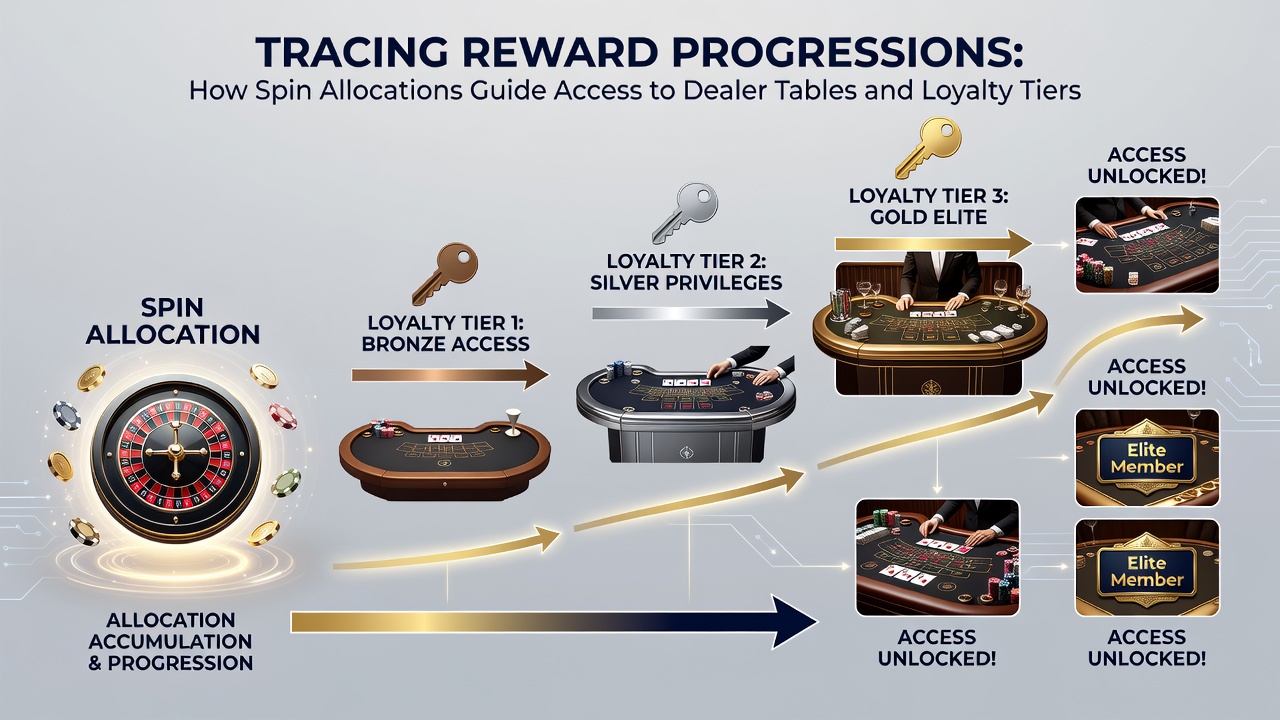
Live dealer environments benefit from these pathways because they receive pre-qualified participants already engaged through prior spin activity. Operators report higher table utilization when players arrive via allocation routes rather than direct marketing. Allocation systems also allow dynamic adjustments, such as bonus spins awarded upon first table entry, which further reinforce the progression loop. Those monitoring industry trends observe that these features appear more frequently in platforms licensed under frameworks emphasizing cross-game continuity.
Regional Variations and Implementation Trends
Implementation details vary by licensing jurisdiction, with North American and Australian markets showing distinct approaches to allocation weighting. American Gaming Association reports highlight how tier systems in regulated U.S. states incorporate spin data into centralized tracking for compliance purposes. Meanwhile, Australian frameworks emphasize transparent allocation disclosures within player interfaces, ensuring users understand conversion ratios before engaging. These differences create varied progression speeds but share the common goal of linking slot incentives to table participation.
Technical infrastructure supporting these progressions includes API connections between slot engines, loyalty databases, and live dealer platforms. Updates to allocation rules occur periodically, often aligned with seasonal promotions or new game launches. In June 2026, several operators introduced allocation bundles that bundled spins with table entry credits, resulting in measurable upticks in cross-category activity according to platform analytics.
Conclusion
Spin allocations serve as foundational elements that channel player movement from slot play into dealer table environments and structured loyalty advancement. Through defined conversion rules, weighted contributions, and integrated tracking, these systems create continuous reward loops documented across multiple regulated markets. Data from operational reports and licensing bodies confirms that such mechanisms support both player engagement metrics and regulatory oversight requirements, establishing clear pathways that operate consistently across devices and jurisdictions.