Secure Encryption Pathways Guiding Mobile Gaming Sessions Toward Live Dealer Interactions

Data transmission standards play a central role in modern gaming platforms where users shift between mobile reel sessions and interactive table formats, and encryption protocols maintain integrity across these movements by securing every data packet that travels through verified transaction channels. Developers implement layered security measures that protect player information during these transitions while ensuring compliance with regional regulatory frameworks. Research from institutions such as the University of Nevada Reno Gaming Research Center shows that robust encryption reduces interception risks during session handoffs between different game types.
Advanced encryption standards including AES-256 and TLS 1.3 form the backbone of these systems, and operators deploy them to encrypt reel spin outcomes before they reach mobile devices while simultaneously preparing authenticated pathways for table game entries. These protocols operate continuously as users move from spinning reels on portable screens to joining dealer-hosted tables through the same application environment. Figures from the Nevada Gaming Control Board indicate that platforms using updated encryption suites experience fewer reported security incidents during such conversions compared to older implementations.
Core Components of Encryption in Gaming Transitions
Key exchange mechanisms establish secure sessions at the outset of mobile play, and these same mechanisms extend their protection when players decide to access interactive tables after accumulating qualifying spins or meeting threshold conditions. Certificate authorities validate each transaction node along the route, which prevents unauthorized parties from inserting themselves into the data flow between reel mechanics and table interfaces. Observers note that this continuous validation becomes especially important when reward systems link slot activity directly to live dealer privileges.
Tokenization further strengthens the process by replacing sensitive payment details with unique identifiers that travel through verified channels, and this approach allows seamless movement from reel-based incentives to table game access without exposing actual financial data. Studies conducted by the Australian Institute of Criminology highlight how token-based systems support regulatory oversight in multiple jurisdictions while maintaining player privacy during these shifts. The result appears in platforms that handle both reel sessions and table formats under unified security architectures.
Transaction Verification and Cross-Format Access
Verified transaction channels incorporate multi-factor authentication alongside encryption, and this combination confirms user identity before permitting any transition from mobile reels to dealer tables. Real-time monitoring tools track data flows to detect anomalies that might signal attempted breaches during these handoffs, and regulatory bodies in various regions require operators to maintain logs of such verifications for audit purposes. Data from the Singaporean Gambling Regulatory Authority reveals consistent application of these standards across licensed platforms operating in Southeast Asia.
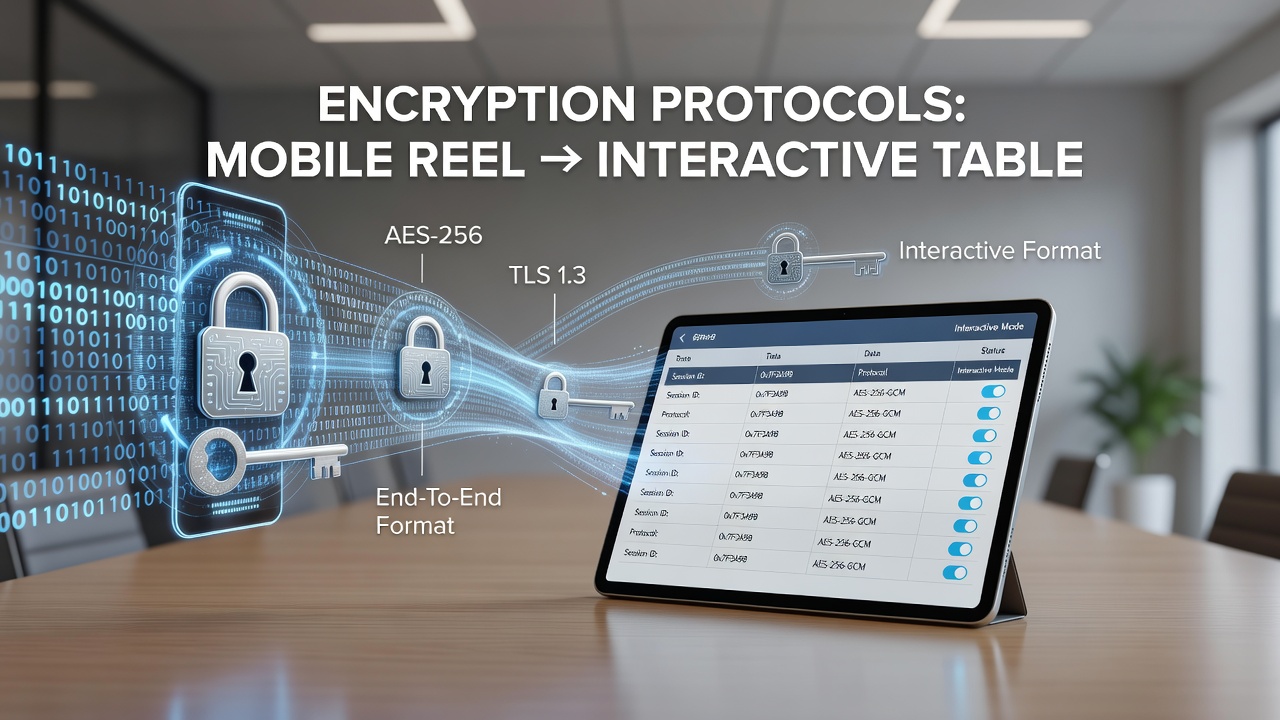
Smart contract elements sometimes integrate with these protocols in certain markets, and they automate reward escalations that grant table access after specific reel performance metrics are met under encrypted conditions. This automation occurs without compromising the underlying security layers that protect both spin data and subsequent table entries. Those who have examined these systems across different operators report that the integration reduces manual intervention while preserving audit trails required by oversight agencies.
Regional Developments and Timeline Considerations
Platforms continue to refine their encryption approaches in response to evolving threats, and industry reports suggest further standardization efforts will gain attention around mid-2026 as new compliance deadlines approach in several jurisdictions. Operators in North America and Asia-Pacific regions coordinate these updates to maintain interoperability between mobile reel environments and live dealer formats through shared transaction verification methods. Research papers published by the Canadian Centre for Gaming Research examine how such coordinated updates affect cross-border player movements between different game categories.
Hardware security modules store encryption keys separately from application servers, and this separation adds another barrier against potential compromises during format transitions. Mobile applications communicate with backend systems using end-to-end encrypted tunnels that remain active regardless of whether the current session involves reels or tables. Evidence from multiple operator disclosures indicates that these measures support higher volumes of verified transactions without introducing noticeable latency for end users.
Conclusion
Encryption protocols continue to guide the movement from mobile reel sessions to interactive table formats by securing every stage of verified transaction channels, and ongoing refinements in key management along with authentication methods support this functionality across global markets. Regulatory data and academic analyses demonstrate measurable improvements in security posture when these protocols receive consistent implementation and regular updates. The architecture allows operators to connect different game types through protected pathways while meeting compliance obligations in their respective regions.