Progressive Reward Frameworks Connecting Automated Reel Activity to Tailored Table Invites Across Digital Gaming Platforms
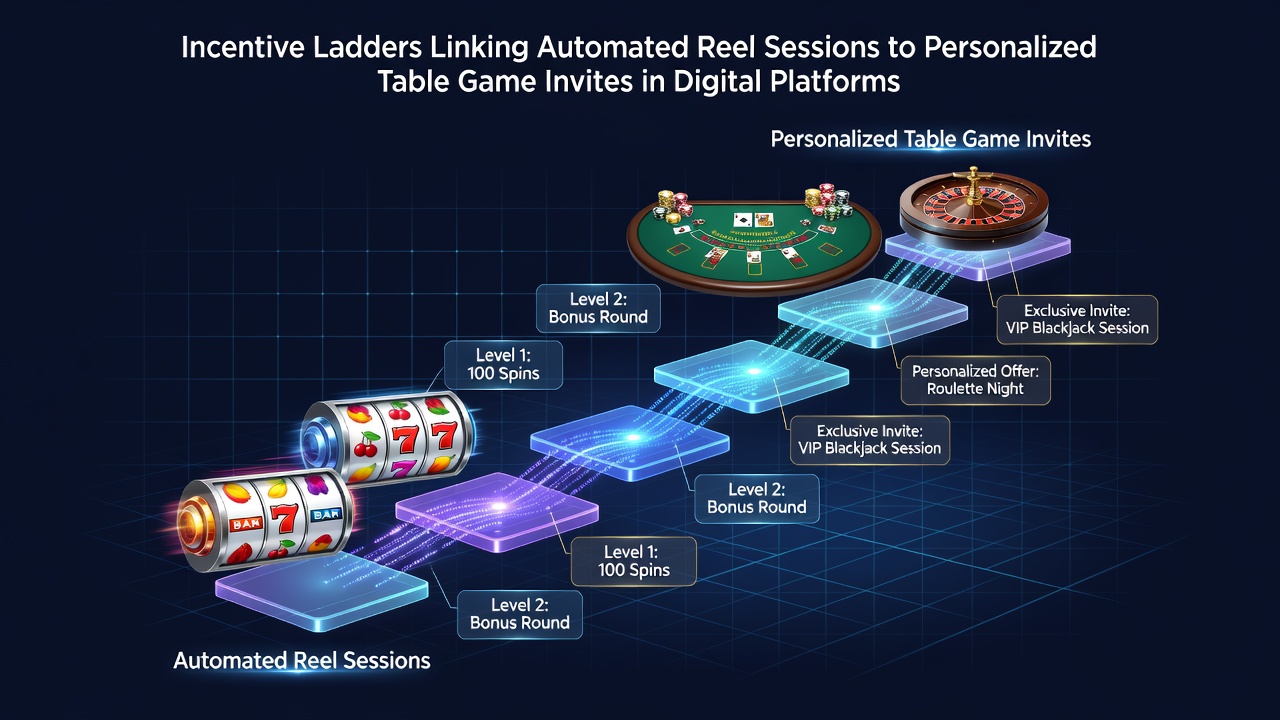
Digital gaming platforms employ structured incentive systems that convert time spent on automated reel sessions into accumulated status points, which in turn trigger personalized invitations to live dealer table environments. These frameworks operate through layered progression mechanics where initial reel activity feeds directly into eligibility criteria for higher-value interactive formats. Data from platform analytics indicate consistent patterns in which players advance through multiple tiers based on session volume and frequency.
Operators define incentive ladders as sequential stages that assign point values to reel spins, with thresholds unlocking access to curated table game sessions. Each stage incorporates variables such as wager size, session duration, and game selection to calculate advancement speed. Research from industry tracking services shows these systems maintain engagement by displaying real-time progress indicators that update after every completed reel round.
Mechanics of Point Accumulation and Tier Advancement
Automated reel sessions generate base points at rates determined by platform algorithms, while bonus multipliers activate during promotional windows or loyalty events. Points aggregate across multiple sessions and convert into tier status once predetermined milestones are reached. According to figures released by the New Jersey Division of Gaming Enforcement, online operators reported a 28 percent increase in tiered reward redemptions during the first quarter of 2026 compared with the prior year.
Advancement rules typically require combinations of volume metrics and consistency markers. Players who complete daily reel targets receive accelerated point credits, whereas sporadic activity slows progression. Platform logs reveal that structured daily targets correlate with higher rates of eventual table game participation once thresholds are cleared.
Personalization Algorithms Behind Table Game Invites
Once a player reaches a qualifying tier, the platform activates an invitation module that selects table game formats based on prior reel preferences. Matching occurs through data models that analyze spin patterns, preferred volatility levels, and average session lengths to propose specific dealer tables. This process generates individualized offers rather than generic promotions, with delivery timing aligned to peak user activity periods.
Studies conducted by academic researchers at the University of Nevada, Las Vegas, examined over 1.2 million player accounts and found that personalized invites produced a 34 percent higher acceptance rate than standardized offers. The models incorporated variables such as time-of-day preferences and device type to refine delivery windows.

Integration With Broader Loyalty Ecosystems
Incentive ladders function as one component within larger loyalty architectures that span both reel and table environments. Points earned from reels contribute to cumulative status that carries forward into hosted table sessions, where additional multipliers may apply. Platform documentation outlines how status levels determine the frequency and exclusivity of subsequent invites.
Cross-format tracking allows operators to monitor transitions between automated and live-dealer segments. Reports compiled by the Australian Communications and Media Authority document similar cross-format movement patterns in regulated markets, noting that players advancing through reel-based tiers demonstrate measurable increases in table session duration after receiving targeted invites.
Developments Anticipated Around Mid-2026 Industry Events
As major physical gatherings approach, including the seventh Sands Shopping Carnival scheduled for July 2026 at the Venetian Cotai Expo, several digital operators have signaled updates to their progression algorithms. These adjustments aim to align online incentive structures with seasonal traffic patterns observed during large-scale industry events. Platform roadmaps indicate expanded multiplier windows timed to coincide with these periods.
Technical documentation released by major software providers describes planned enhancements to real-time point calculation engines. The updates include refined personalization filters that incorporate regional event calendars to increase relevance of table game offers during high-visibility months.
Conclusion
Incentive ladders that link automated reel sessions to personalized table game invites represent a core operational feature across contemporary digital gaming platforms. Progression mechanics rely on measurable activity thresholds, while personalization engines draw from detailed behavioral datasets to shape offer delivery. Industry reports from regulatory bodies and academic sources continue to track adoption rates and transition patterns as these systems evolve ahead of scheduled 2026 events.