Pennsylvania Gaming Revenue Tops $600 Million in March 2026, Powered by Online Surge
Pennsylvania Gaming Revenue Tops $600 Million in March 2026, Powered by Online Surge

The Milestone Month That Changed the Game
Pennsylvania's gaming industry just hit a major benchmark, posting a gross gaming revenue (GGR) of $602.4 million in March 2026; that's the first time this year it's crossed the $600 million threshold, and figures show a solid 4.85% increase compared to March 2025, with online gaming performance fueling most of the growth according to Casino.org's latest report.
Observers note how this surge comes at a pivotal time, especially as early April 2026 data hints at continued momentum in digital segments while physical venues navigate softer numbers; across the state's 17 casinos, the mix of traditional and online play revealed stark contrasts, yet the overall haul underscores resilience in a competitive landscape.
What's interesting is that while total revenue climbed, not every category joined the party; retail slots dipped 3% to $216.2 million, table games fell 4% to $78.7 million, but online GGR rose nearly 7% to $254.7 million and sports betting exploded 77% to $47.8 million, painting a picture of where players are heading these days.
Dissecting the Revenue Breakdown
Take the online segment first, since that's where the real action unfolded; at $254.7 million, it accounted for over 42% of the total GGR, up almost 7% from last year, and experts point to expanded mobile access, diverse game libraries, and aggressive promotions as key drivers behind players flocking to apps and websites from home.
Sports betting, meanwhile, turned heads with its 77% jump to $47.8 million; that's no small feat, especially with major leagues in full swing during March, drawing bets on basketball playoffs, hockey matchups, and early baseball action, while partnerships between casinos and betting platforms broadened the reach.
But here's the thing: traditional retail slots, long the backbone of casino floors, slipped 3% to $216.2 million across those 17 properties; table games followed suit, dropping 4% to $78.7 million, possibly reflecting shifts toward convenience-driven online play or seasonal foot traffic dips, although data doesn't specify exact causes yet.
Adding it all up, the combined online and sports betting haul reached $302.5 million, more than half the month's total, signaling how digital channels are reshaping Pennsylvania's gaming ecosystem one wager at a time.
Spotlight on Physical Powerhouses
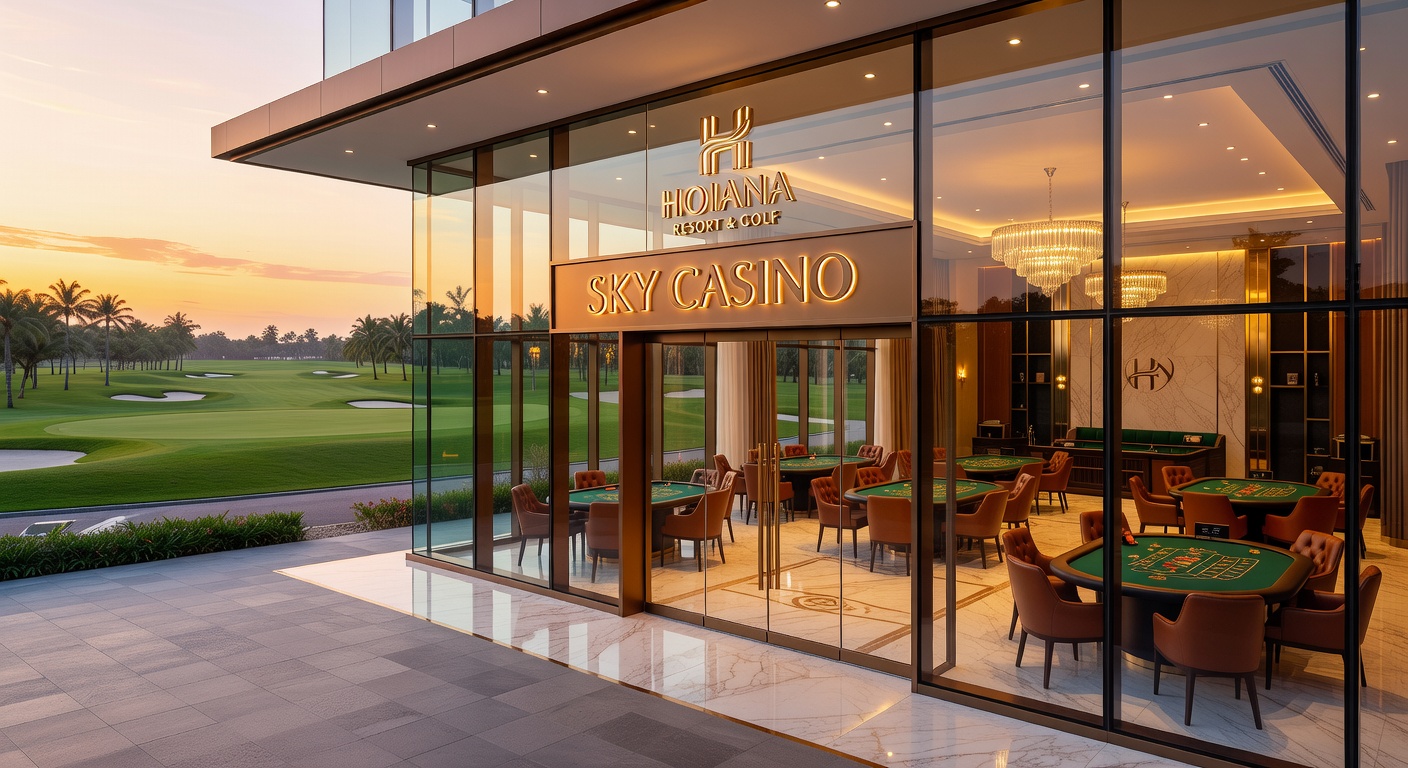
Even with retail headwinds, certain casinos stood tall; Parx Casino in Bensalem led the pack with $50.2 million in GGR, showcasing its dominance through a mix of slots, tables, and robust sports betting integration that kept patrons coming back despite the category dips.
Close behind, Wind Creek Bethlehem generated $44.9 million, leveraging its prime location near major population centers and a reputation for high-limit play, live entertainment tie-ins, and loyalty programs that observers say help buffer against broader retail slowdowns.
These top performers, operating among Pennsylvania's 17 licensed casinos, highlight how location, diversification, and customer retention strategies can yield outsized results; the rest of the field contributed the remaining physical revenue, but specifics on lower-tier venues remain aggregated in the state-wide figures.
It's noteworthy that Parx and Wind Creek together captured nearly 16% of the total GGR pie, a testament to their scale, yet the online boom distributed gains more evenly across operators with digital licenses, evening the playing field somewhat.
Year-Over-Year Shifts and What They Reveal
Zooming out to the year-over-year comparison, that 4.85% overall growth to $602.4 million marks steady progress, but the real story lies in the disparities; online's 7% climb and sports betting's 77% rocket ride more than offset the 3% and 4% retail declines, proving digital adaptability pays off in spades.
Data indicates Pennsylvania's gaming board tracks these metrics monthly, and March 2026's numbers build on a trend where online revenue has consistently outpaced physical since legalization expansions; for context, prior months hovered below $600 million this year, making this the breakout performance observers watched closely.
Turns out, regulatory tweaks like iGaming maturity and sports wagering handle increases played roles too, with total wagers processed reflecting heightened engagement; while exact handle figures aren't broken out here, the GGR math suggests operators retained a healthy share amid rising volume.
And as April 2026 unfolds, preliminary whispers from industry watchers point to sustained online strength, potentially pushing quarterly totals higher if tax season bonuses and spring promotions kick in, although retail recovery remains a wildcard.
Broader Context in Pennsylvania's Gaming Landscape
Pennsylvania, with its 17 brick-and-mortar casinos spanning from Philadelphia suburbs to Pittsburgh outskirts, has evolved into one of the nation's top gaming states since slots debuted in 2006 and tables followed; online gaming launched in 2019, sports betting in 2018, creating a multi-channel powerhouse now evident in March's results.
People who've studied this space know the state's GGR funds education, economic development, and local governments via taxes; at $602.4 million, March alone generated substantial contributions, with online portions taxed at 16% for slots and 14% for tables, sports betting at 36% on revenue up to $100 million per operator annually.
One case that stands out involves how operators like Parx expanded sports books post-PASPA repeal, blending retail excitement with app-based convenience; Wind Creek similarly invested in tech upgrades, ensuring seamless omnichannel experiences that boost retention across formats.
Yet challenges persist for physical venues, where slots revenue's 3% dip to $216.2 million mirrors national patterns of younger demographics preferring mobile spins over floor time; table games at $78.7 million faced similar pressures, although high-roller niches held firmer.
So while the $600 million barrier now sits conquered, the path forward hinges on balancing digital acceleration with brick-and-mortar innovation, especially as neighboring states like New Jersey and Michigan ramp up their own online offerings.
Conclusion
March 2026 etched itself into Pennsylvania gaming history with $602.4 million in GGR, a 4.85% year-over-year gain driven by online's 7% rise to $254.7 million and sports betting's 77% surge to $47.8 million, even as retail slots and tables softened to $216.2 million and $78.7 million respectively.
Leaders like Parx Casino ($50.2 million) and Wind Creek Bethlehem ($44.9 million) anchored physical efforts across 17 casinos, but the digital shift clearly dominates, setting the stage for April's potential follow-through; data from Casino.org underscores this pivot, offering a factual snapshot of an industry adapting swiftly to player preferences.
In the end, observers see this milestone not as a fluke but as confirmation that Pennsylvania's gaming sector, blending tradition with tech, remains a force; the ball's now in operators' courts to sustain the momentum through diversified play and strategic growth.