Digital Spins as Stepping Stones: Examining the Connection Between Slot Incentives and VIP Table Access in Mobile Environments
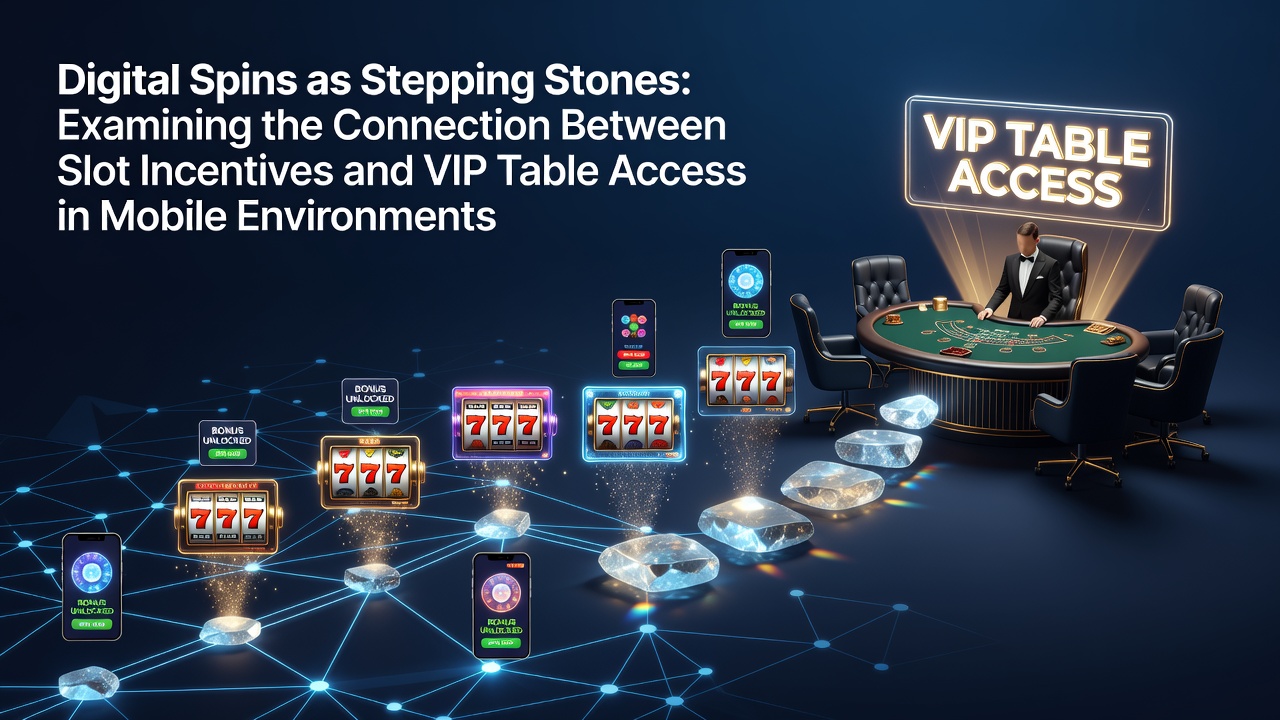
Mobile gaming platforms have developed structured pathways where routine slot activity converts accumulated incentives into eligibility for premium table environments, and data from industry tracking shows these mechanics operate through tiered loyalty systems that reward consistent engagement with spins and bonus allocations. Operators integrate these features directly into app interfaces so that players accumulate points or credits from digital reels, which then unlock invitations to live dealer tables reserved for higher-status accounts.
Mechanics of Slot Incentives in Mobile Apps
Slot incentives typically include free spin packages, multiplier boosts, and progressive credit grants that appear after set numbers of plays or deposits, while these elements feed into broader reward ledgers monitored by the platform's backend systems. Research from gaming analytics firms indicates that mobile users who complete daily spin goals advance through loyalty stages at measurable rates, with each stage carrying explicit thresholds for table access privileges. Developers design the interfaces to display real-time progress bars that link reel sessions to upcoming dealer room entries, creating visible connections between the two formats.
Pathways Linking Spins to VIP Table Entry
Once a player reaches defined point totals from slot play, the system issues automated notifications for VIP table sessions that feature hosted games with elevated minimums and personalized dealer interactions, and observers note that these invitations often arrive within the same mobile session where the threshold was crossed. Transaction records from several North American operators reveal that slot-derived loyalty currency converts directly into table credit packages, allowing seamless movement between reel-based and card-based environments without separate enrollment steps. Studies conducted by university researchers in Australia have documented similar patterns where mobile slot streaks correlate with increased frequency of live table participation among accounts that started at entry-level tiers.
Regional Data Patterns Observed in 2026
As of June 2026, regulatory filings from the New Jersey Division of Gaming Enforcement show continued growth in mobile slot volume that coincides with expanded VIP table offerings across licensed apps, yet the reports stop short of claiming direct causation between the two categories. Canadian provincial data similarly tracks how loyalty escalations triggered by portable reel activity lead to higher-value table bookings, with the figures revealing steady month-over-month increases in cross-format redemptions. Industry associations such as the American Gaming Association compile these statistics into annual summaries that highlight the role of incentive layering in sustaining overall engagement metrics.
Algorithmic Bridging of Routine Play and Premium Access
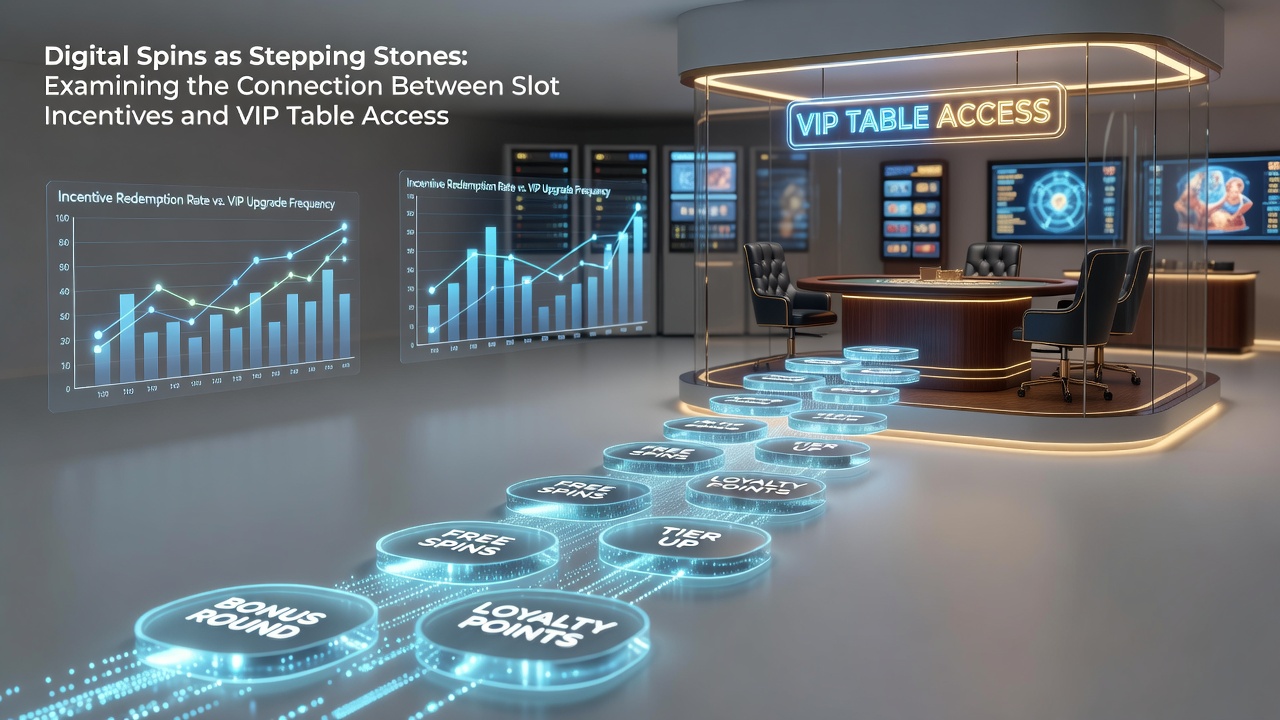
Engagement algorithms evaluate spin frequency, bet sizing, and session duration to determine when an account qualifies for curated table invitations, and these calculations run continuously in the background of the mobile environment. People who maintain regular reel activity without large deposits still advance when the system recognizes cumulative play patterns that meet internal criteria for status elevation. One documented case from a European operator's internal review showed accounts that began with modest daily spins eventually receiving dealer table access after three consecutive months of consistent incentive collection, illustrating the gradual nature of the progression.
Transaction Flows and Reward Escalation
Payment and reward ledgers within the apps record each spin outcome and apply it toward tier advancement, while separate ledgers track table session redemptions that draw from the same point pools. This dual-ledger approach allows operators to maintain distinct minimums for physical or virtual table entry even as slot incentives continue to flow into the shared status system. Data compiled by academic groups at Canadian institutions demonstrates that users who follow these flows tend to sustain longer overall app sessions once table access opens, because the transition itself reinforces continued participation across both game types.
Conclusion
Platform architectures in mobile gaming environments continue to refine the linkages between slot incentives and VIP table access through automated tracking and tiered eligibility rules, and regulatory bodies along with research organizations document these connections via aggregated performance metrics rather than individual player journeys. The resulting structure supports steady movement from entry-level reel play toward hosted table privileges without requiring separate qualification routes.