Data Flows in App-Based Gaming Ecosystems That Convert Routine Spin Patterns Into Curated Invitations for Interactive Table Formats and Cumulative Status Advancements
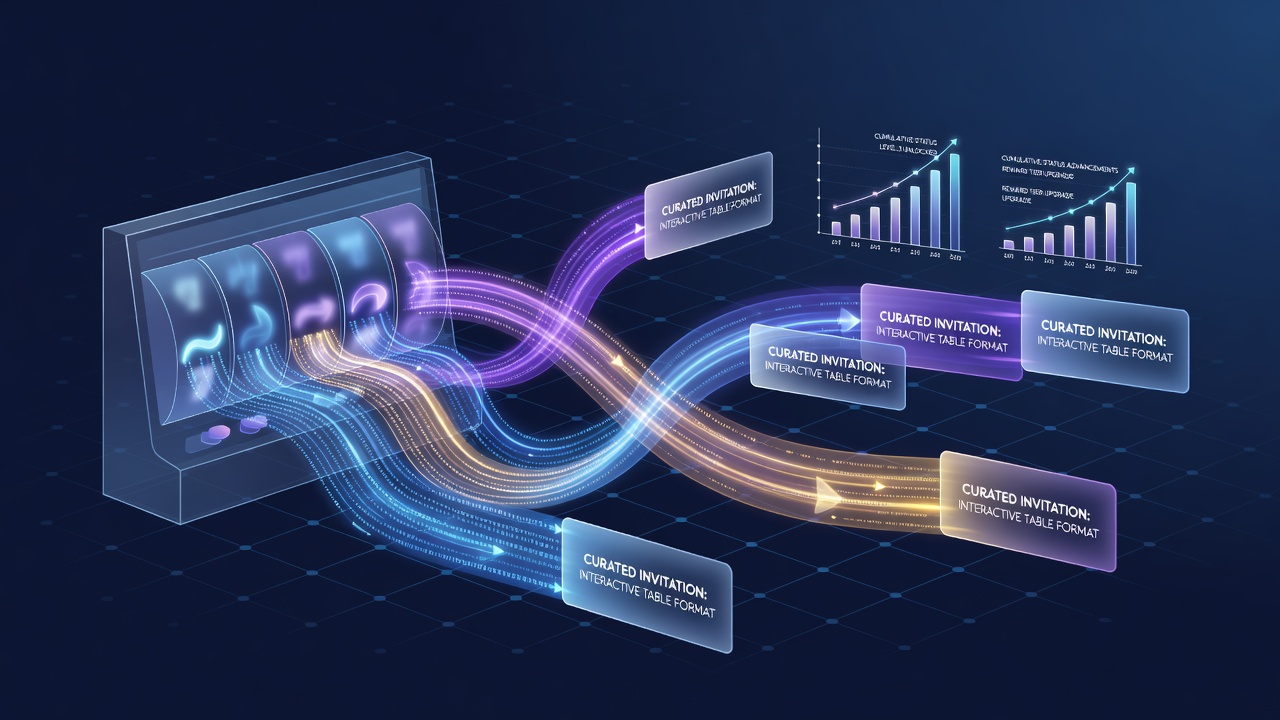
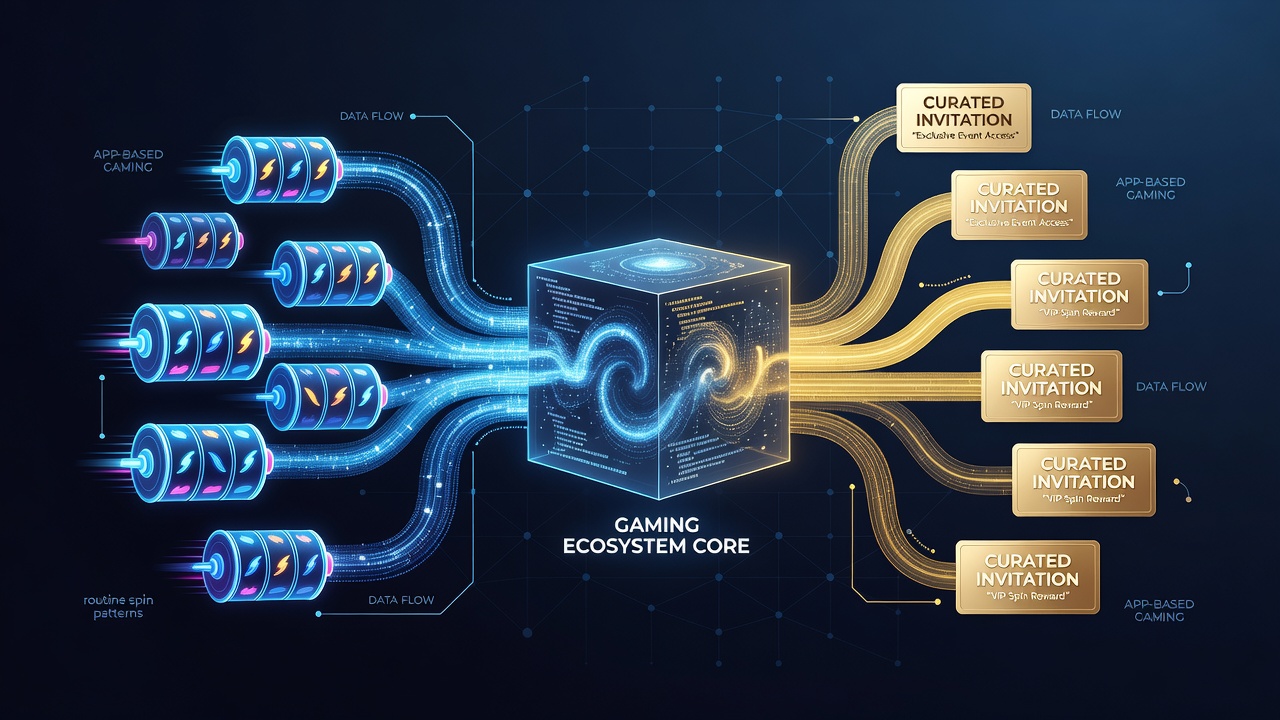
App-based gaming platforms process vast amounts of player interaction data every day, turning sequences of slot spins into signals that trigger personalized offers for live dealer tables and progressive loyalty rewards. These ecosystems rely on continuous monitoring of bet frequency, session duration, and outcome patterns to identify users who might transition from automated reel play to interactive formats. Developers integrate backend systems that collect telemetry in real time, feeding it into algorithms designed to match engagement profiles with available table seats or tiered status benefits.
Operators collect spin-level metrics including wager amounts, timing between rounds, and volatility preferences before any invitation occurs. When patterns indicate sustained activity, the platform routes that information to a decision engine that evaluates eligibility for curated table access. Such engines compare individual histories against aggregated benchmarks drawn from millions of sessions across multiple titles, allowing the system to issue invites only when thresholds for consistency or volume are crossed.
Player Data Collection Mechanisms
Mobile applications log every spin event through secure APIs that transmit details to centralized servers hosted by the operator or third-party analytics providers. These logs capture not only financial data but also behavioral indicators such as auto-spin usage, bonus round triggers, and device type. In June 2026, several North American platforms introduced enhanced encryption standards for these transmissions following guidance from state regulatory bodies including the Nevada Gaming Control Board. The added security layers ensure that spin histories remain protected while still enabling the downstream processes that convert raw activity into targeted offers.
Once data arrives at the central repository, it undergoes normalization so that metrics from different game providers align within a single schema. This step permits cross-title comparisons that reveal whether a player favors high-volatility slots or prefers steady low-stakes sessions, information that later influences whether an invitation points toward high-limit live tables or mid-tier dealer formats.
Algorithmic Conversion of Spin Patterns
Pattern-recognition models examine sequences for indicators of readiness to move into live environments. Sustained play across consecutive days, increasing average bet sizes, or repeated completion of bonus features often register as positive signals. The models assign weighted scores to each factor, then compare the composite result against historical conversion rates stored in operator databases. When a score exceeds a preset boundary, the system generates an invitation that appears inside the app as a timed notification or exclusive lobby entry.
These models operate continuously rather than at fixed intervals, allowing invitations to surface during active sessions when engagement peaks. Observers note that platforms adjust scoring weights seasonally to reflect changes in player demographics or new game releases, maintaining relevance across shifting market conditions.
Status Advancement Pathways
Cumulative status systems track points earned from both spin volume and table participation, creating a unified progression ladder visible inside the same application. Points accrue according to formulas that credit higher multipliers for live dealer sessions than for automated spins, encouraging movement between formats. Once a player reaches the next tier, the platform automatically unlocks privileges such as faster withdrawal processing, dedicated account managers, or reserved table seats during peak hours.
Data flows between the spin-tracking module and the loyalty engine occur through scheduled batch transfers every few minutes, supplemented by event-driven updates whenever an invitation converts into actual table play. This architecture prevents delays between reaching a new status level and receiving corresponding benefits.
Integration With External Regulatory Reporting
Platforms must forward aggregated flow statistics to oversight agencies to demonstrate responsible operation. In Canada, iGaming Ontario requires periodic submissions that detail how player data moves from acquisition through reward delivery, ensuring transparency around algorithmic decision-making. Similar requirements exist in several Australian states where licensed operators submit anonymized datasets showing invitation acceptance rates and subsequent play behavior. These reports help regulators verify that conversion processes do not disproportionately target vulnerable segments.
Industry groups such as the American Gaming Association compile anonymized benchmarks from member companies, allowing operators to compare their own data-flow efficiency against regional averages without exposing proprietary algorithms. Access to these benchmarks supports internal calibration of invitation thresholds and status-point formulas.
Conclusion
Data flows within app-based gaming ecosystems function as structured pipelines that translate routine spin activity into targeted table invitations and measurable status gains. The process depends on continuous telemetry collection, real-time scoring models, and synchronized loyalty engines that operate under regulatory oversight. As platforms refine these connections, the pathways between automated play and interactive formats continue to evolve through incremental technical and compliance adjustments.