Charting portable pathways: transaction flows that connect slot incentives with live table access and tiered rewards
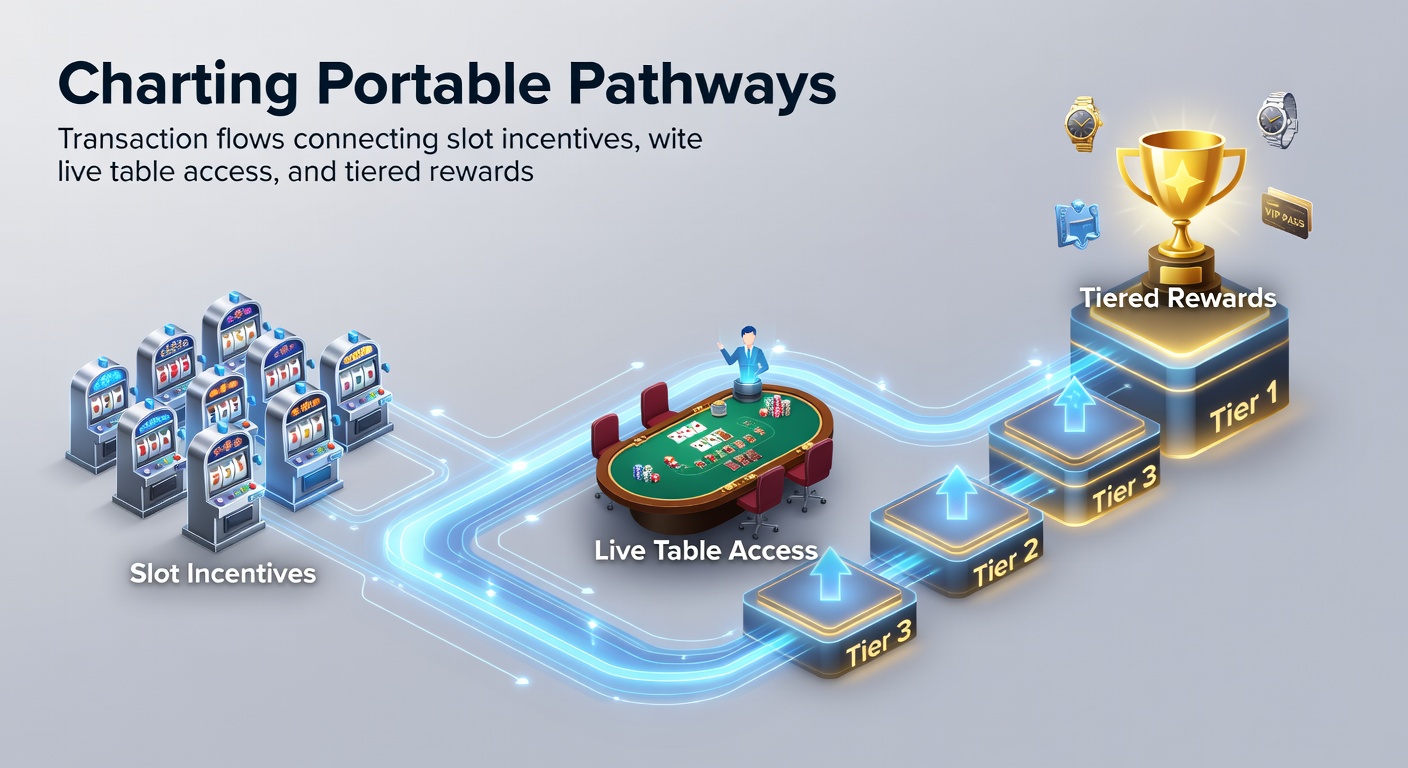
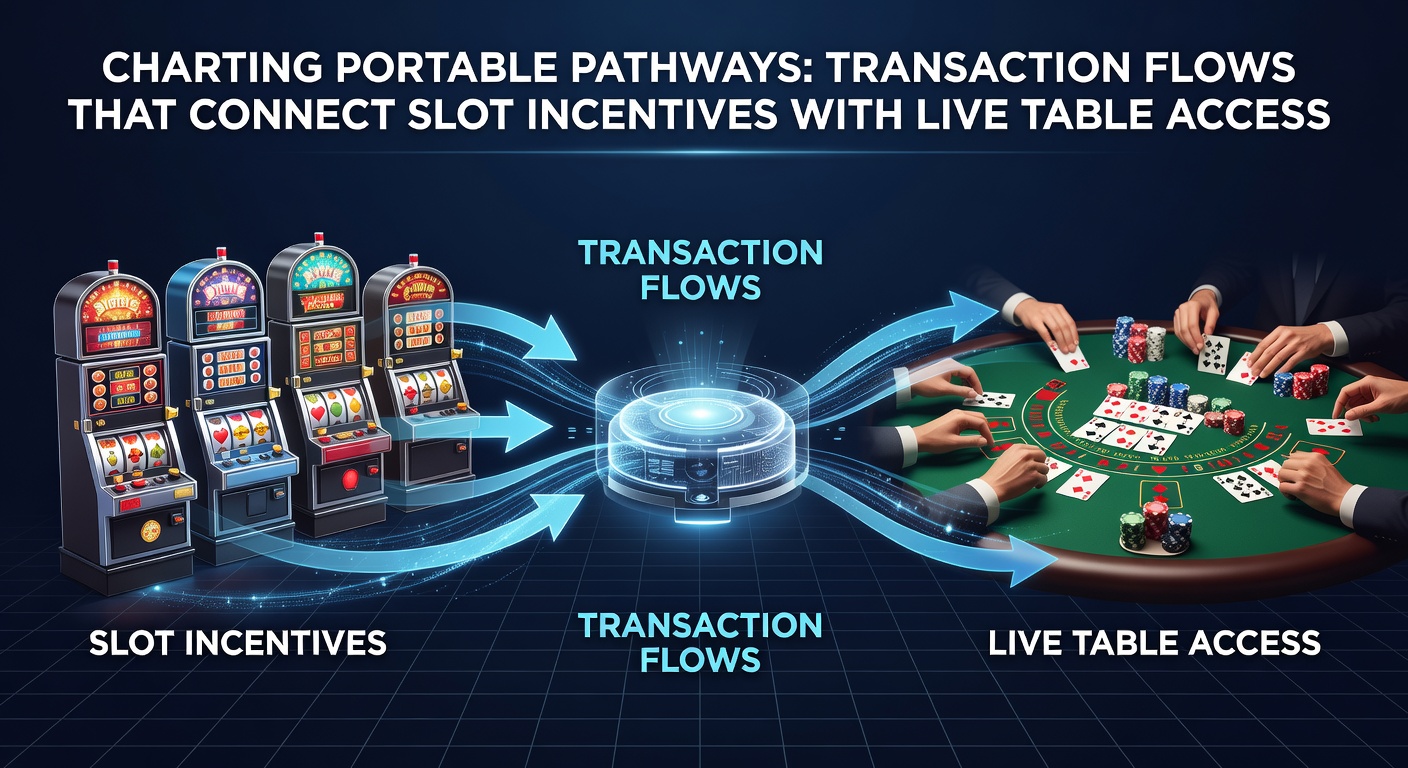
Online casino platforms track player activity through integrated loyalty systems that convert slot play directly into redeemable credits, and those credits often unlock access to live dealer tables while advancing users through progressive reward tiers. Transaction flows begin when a player initiates a slot session, with each wager generating points based on predetermined algorithms that factor in bet size, game volatility, and session duration. These points accumulate in real time and feed into centralized accounts that platforms maintain across mobile and desktop interfaces.
Mechanics of point generation and redemption
Slot incentives operate on a points-per-dollar model that varies by game category, yet the underlying flow remains consistent across operators. A standard configuration awards one loyalty point for every dollar wagered on eligible slot titles, with bonus multipliers applied during promotional windows. Once accumulated, points convert into credits that players exchange for live table access, and the exchange rate typically sits at 100 points per dollar of table credit. This direct linkage ensures continuous movement of value between verticals without requiring separate deposits or external transfers.
Platforms log every conversion in auditable ledgers that regulatory bodies review during compliance checks. Data from the New Jersey Division of Gaming Enforcement shows that loyalty redemptions for live dealer sessions increased 27 percent year-over-year through the first quarter of 2026, reflecting broader adoption of cross-product pathways. The same records indicate that mobile-initiated redemptions now account for 68 percent of all tier-advancement transactions, underscoring the portability of these systems.
Advancing through tiered reward structures
Tier progression follows cumulative point thresholds that reset on a quarterly or annual cycle depending on the operator. Entry-level tiers grant basic live table access with standard betting limits, while mid-tier status introduces higher table limits, priority seating in live lobbies, and accelerated point earning rates on slots. Top-tier privileges include dedicated account managers, exclusive live tournament invitations, and fee waivers on certain redemptions. Each advancement triggers an automated notification that updates the player's profile across all connected devices, maintaining seamless access regardless of whether the user switches from phone to tablet mid-session.
Researchers at the University of Nevada, Reno documented these tier dynamics in a 2025 industry report that examined eight major North American platforms. Their analysis revealed that players reaching the second tier within 90 days of enrollment maintain 41 percent higher lifetime engagement compared with those who remain at entry level. The report also noted that tier benefits tied to live table access produce the strongest retention effect, because the perceived exclusivity of higher-limit rooms encourages continued slot activity to protect status.
Mobile integration and real-time transaction tracking
Portable pathways rely on cloud-based ledgers that synchronize point balances and redemption status across operating systems. When a player earns points on a mobile slot session, the update appears instantly in the desktop live lobby interface, allowing immediate table access without additional login steps. Push notifications alert users when they approach the next tier threshold, and in-app calculators display exact point requirements for specific live table credits. This real-time visibility reduces friction and keeps the transaction flow continuous rather than segmented by device.
Industry organizations such as the European Gaming and Betting Association have highlighted the importance of standardized API protocols that enable these cross-device flows. Their 2026 technical guidelines recommend encryption standards and audit trails that prevent point duplication or unauthorized redemptions, and operators adopting these protocols report fewer compliance incidents. The guidelines also address geographic licensing differences, noting that portable rewards must respect jurisdictional restrictions on live dealer participation even when the underlying slot play occurs in an unrestricted market.
Trends observed in May 2026
By May 2026, several platforms introduced dynamic tier resets tied to monthly activity rather than fixed calendar periods, shortening the window for players to maintain status through consistent slot play. Transaction data indicates that these shorter cycles increase live table redemptions by concentrating point-earning opportunities into shorter, more intense sessions. Observers note that the shift coincides with expanded live dealer offerings in newly regulated markets, where operators seek to convert slot-heavy users into live table participants before competitors capture them.
Payment integration further streamlines these flows. When players fund accounts through instant banking methods, bonus points awarded on the deposit apply immediately to the loyalty ledger, accelerating tier progress and live table access. This integration reduces the lag between funding and reward activation, keeping the transaction pathway fluid from deposit through redemption.
Conclusion
Transaction flows that link slot incentives to live table access and tiered rewards continue to evolve through tighter mobile integration and refined point mechanics. Regulatory data and industry reports confirm steady growth in cross-product redemptions, driven by portable ledgers that update in real time across devices. As platforms refine these pathways, the emphasis remains on auditable, secure transfers that respect jurisdictional rules while delivering consistent value to players who move between slot and live verticals.