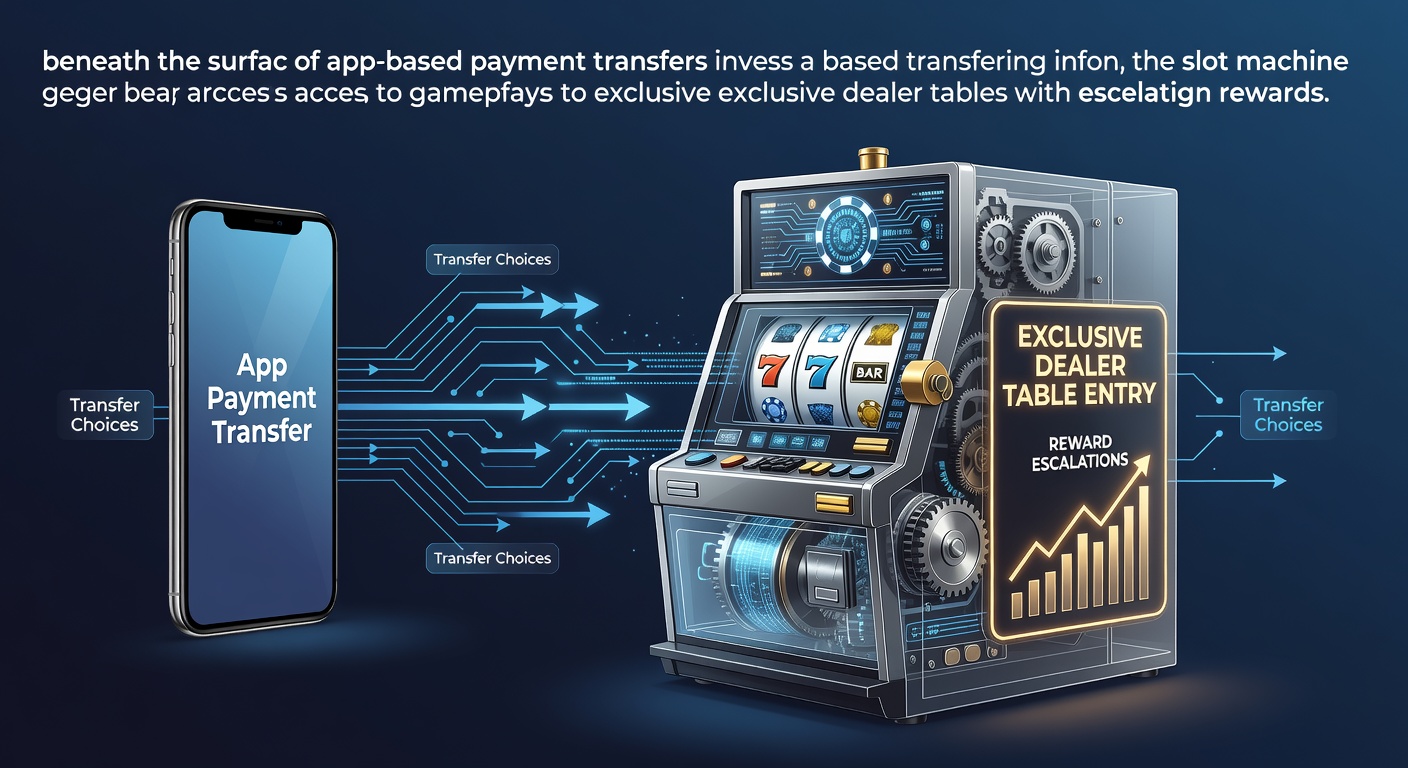
 Payment apps in gaming platforms operate through layered transfer systems that connect user deposits directly to gameplay metrics and progression pathways. Observers note these systems track transaction speed, volume, and method type to determine eligibility for elevated table access and reward structures. Data from regional regulators shows that in June 2026 several jurisdictions reported increased integration between mobile payment rails and loyalty algorithms, with transaction logs feeding into automated tier calculations that prioritize certain deposit patterns over others.
Transfer Methods and Their Routing Effects
Bank transfers, digital wallets, and instant credit options each carry distinct processing characteristics that influence how play sessions register within platform databases. Faster methods often record higher session frequency because funds appear immediately, allowing continuous reel activity that accumulates points toward dealer table invitations. Slower options create natural pauses yet sometimes trigger bonus multipliers when users maintain steady patterns despite delays, according to transaction pattern analyses released by the New Jersey Division of Gaming Enforcement.
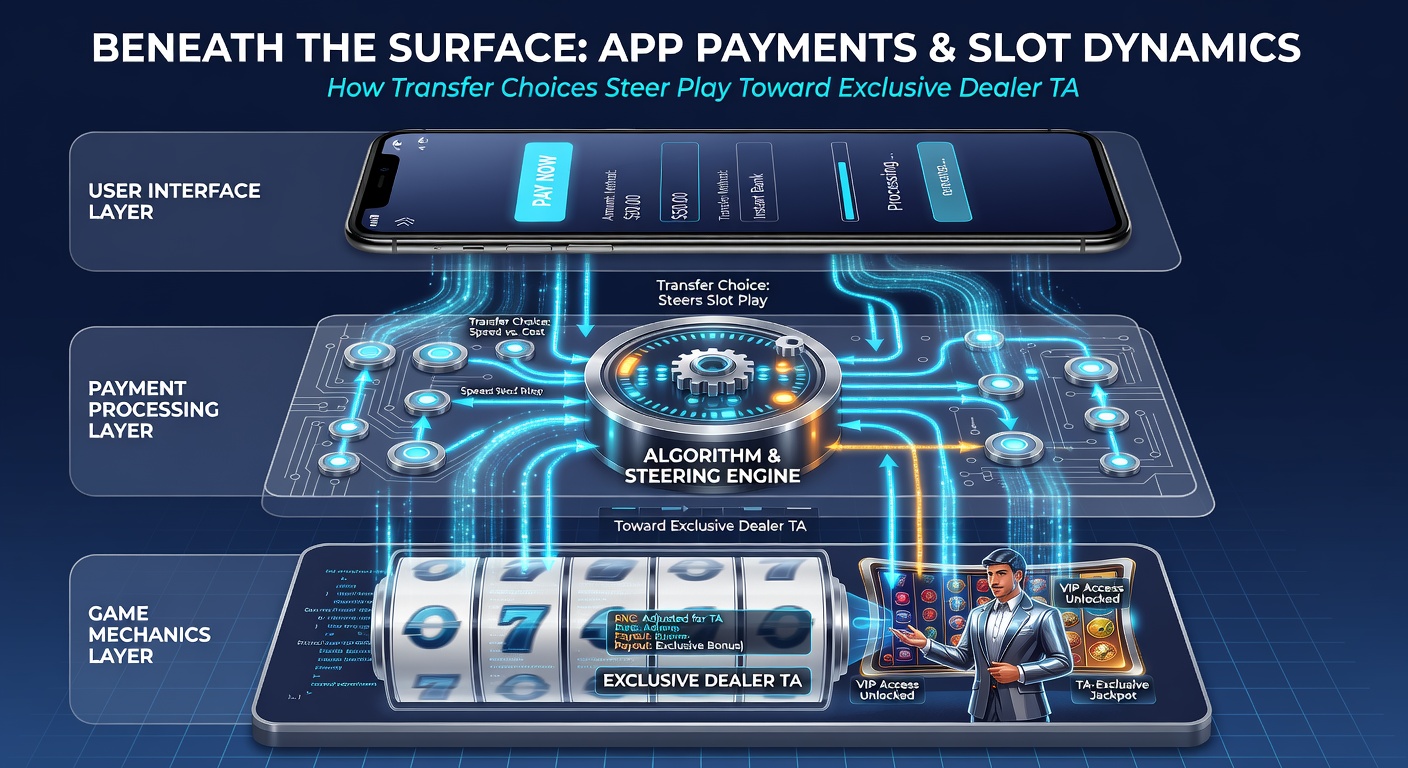
Platform algorithms assign weights to payment categories based on fee structures and verification steps, so repeated use of low-friction transfers tends to accelerate movement from standard slot lobbies into private dealer environments. Those environments require minimum activity thresholds that payment histories help satisfy because every completed transfer logs as engagement evidence. Research from the Australian Gambling Research Centre indicates these logs form the backbone of escalation protocols that unlock higher reward brackets once cumulative transfer values cross internal markers.
Slot Activity as a Gateway Metric
Slot play serves as the primary activity that payment transfers fuel because reel spins generate the bulk of measurable data points platforms use for table entry decisions. Each deposit amount translates into spin credits, and the frequency of those credits determines how quickly a profile advances toward exclusive dealer sessions. Studies compiled by the University of Nevada Gaming Research Center demonstrate that players routing funds through integrated wallet systems complete more consecutive sessions, thereby satisfying the activity windows required for live table invitations faster than those using external bank channels.
Reward escalations follow the same data stream. Tier upgrades activate when transfer totals align with slot-generated point totals within defined calendar periods. June 2026 updates to several platform terms revealed tighter synchronization between these two data sets, meaning users who select transfers that minimize processing gaps see their reward ladders climb in shorter intervals. This synchronization occurs automatically through backend reconciliation processes that match incoming funds to on-screen activity without manual intervention.
Pathways to Exclusive Dealer Tables
Exclusive dealer tables operate on invitation-only protocols that reference payment and play histories stored in unified profiles. A transfer choice that registers as verified and recurring often pushes a profile across the threshold because the system treats consistent funding as a reliability signal. Once invited, table access itself generates additional reward triggers because live sessions carry higher point multipliers than automated reels. Observers tracking these pathways report that the transition typically occurs after three to five payment cycles that show uninterrupted slot engagement followed by table requests.
Geographic differences appear in how regulators monitor these transitions. Canadian provincial authorities require disclosure of the algorithmic criteria used to convert payment data into table eligibility, whereas certain European frameworks focus instead on transparency around reward calculation formulas. Both approaches produce public summaries that confirm payment method selection directly affects progression speed without altering underlying game mechanics.
Reward Escalation Mechanics
Reward structures expand in layers tied to cumulative transfer amounts and the timing between deposits. Early escalations grant access to higher-value slot features, while later tiers open private dealer rotations and personalized bonus schedules. The connection between these layers and transfer choices stems from the need for verifiable funding sources that platforms can reconcile against responsible gaming limits. Figures released in mid-2026 by the Malta Gaming Authority show that accounts using multi-currency wallet transfers reached upper reward tiers 18 percent faster on average than those limited to single-currency bank wires during the preceding quarter.
These mechanics remain consistent across platforms because they rely on standardized reconciliation protocols rather than proprietary game rules. Transfer records feed into the same databases that calculate table entry permissions, creating a continuous loop where each new deposit potentially advances both slot progression and dealer access simultaneously.
Conclusion
Payment transfer selections within gaming apps function as steering mechanisms that shape how slot activity converts into exclusive dealer table opportunities and layered reward growth. The process depends on automated tracking of transaction characteristics and their alignment with activity thresholds established by platform operators. Regulatory disclosures from multiple regions continue to confirm these linkages while requiring operators to maintain clear records of how funding choices influence progression outcomes.